
No Camera Replacement Needed: A Cost-Effective AI
Upgrade Guide for Smart Retail
We frequently engage with retail managers who are eager to upgrade their store operations with artificial intelligence but hesitate due to the perceived expense of replacing existing hardware. Many physical store operators assume that introducing advanced computer vision capabilities requires tearing out legacy closed circuit television setups and starting over entirely.
In practice, modern technological advancements allow businesses to leverage their current camera infrastructure by integrating specialized processing hardware. Transitioning toward intelligent retail operations often starts with evaluating what is already installed overhead rather than purchasing entirely new devices.
When retail enterprises explore ways to modernize their daily monitoring capabilities, examining the compatibility between legacy video feeds and modern processing units becomes a critical first step.
We always advise operational teams to conduct a thorough technical audit before attempting any major software or hardware integration across their store networks. Understanding these foundational technical requirements ensures a much smoother digital transformation journey and prevents unexpected friction down the line.
Assessing Physical Camera Compatibility and Resolution Standards
The first major factor we look at during any pre-installation audit is the physical and technical specification of the current cameras deployed throughout the store. Not every legacy lens captures video at a resolution or frame rate sufficient for advanced machine learning models to analyze effectively.
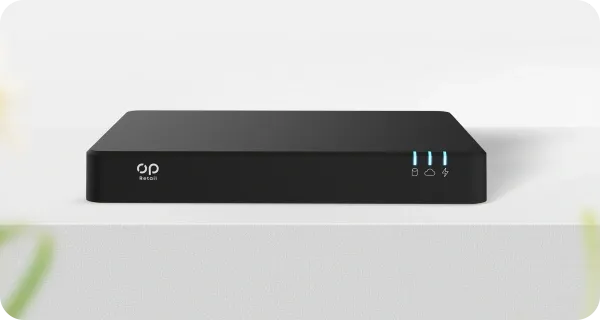
When we review store setups,we verify whether the existing hardware delivers clear, unobstructed imagery capable of supporting detailed movement tracking. An AI NVR system relies heavily on the quality of the incoming video feed to perform accurate object detection and spatial analysis without distortion.
If the current security lenses suffer from extreme glare, low light blur, or narrow fields of view, the analytical algorithms may struggle to interpret human movement accurately.
We recommend testing a small sample of cameras first to see how well they integrate with edge computing processing units before rolling out changes globally. Ensuring that the existing optical hardware meets basic clarity thresholds saves considerable time and ensures that subsequent operational insights remain reliable and actionable for store managers.
Evaluating Network Bandwidth and Local Processing Capacities
Another critical consideration involves analyzing the network infrastructure and bandwidth capabilities supporting the physical store locations. Integrating advanced video analysis demands a careful balance between local data processing and central cloud synchronization to prevent network bottlenecks.
We frequently find that retail locations operating on fragile internet connections benefit immensely from decentralized architectures that process visual data locally on site. By utilizing hardware designed around an edge computing model, the system handles heavy computational tasks directly at the store level before transmitting lightweight statistical summaries.
This approach significantly reduces the strain on local routers and protects internal network performance during peak operational hours.
We suggest consulting with experienced technology partners who specialize in custom algorithm deployment to ensure the local network can handle the incoming video streams smoothly. Assessing network stability ahead of time prevents unexpected data drops and guarantees continuous monitoring across all active store zones.
Verifying Power Over Ethernet and Cable Infrastructure
The physical wiring and power distribution supporting the current security setup also deserve careful scrutiny before any upgrade begins. We often encounter older retail stores where legacy cabling has degraded over time, leading to intermittent signal losses that disrupt video feeds.
Ensuring that all cameras maintain stable power delivery and consistent data transmission is vital for maintaining uninterrupted operational analysis. When integrating advanced analytical tools, technicians need to verify that switches and ports meet the power requirements of modern processing appliances.
We recommend inspecting patch panels and switch capacities to ensure they can support the additional data load without causing latency issues.
Taking the time to patch weak cabling links or replace outdated switches prevents frustrating troubleshooting sessions later in the deployment process. A solid physical foundation allows store operators to transition toward automated monitoring with minimal downtime and maximum operational stability.
Planning Software Integration and Centralized Management Goals
Beyond the physical hardware, retail executives must evaluate how the newly processed video data will integrate with their broader enterprise management workflows. The ultimate goal of modernizing retail operations is to transform raw visual feeds into actionable insights that improve daily efficiency and staff scheduling.
Implementing robust people counting analytics helps management teams evaluate conversion rates, monitor foot traffic patterns, and optimize store layouts effectively. We always encourage leadership teams to define their specific analytical objectives clearly before finalizing the software configuration across multiple locations.
Whether the priority is tracking unique visitor numbers or evaluating dwell times in specific product zones, the software platform should align seamlessly with those operational goals.
Working closely with dedicated engineering teams allows brands to tailor their analytical dashboards to match unique regional requirements and reporting standards.
Partnering With Experienced Manufacturers for Seamless Integration
Navigating the complexities of retail digitalization becomes significantly more manageable when collaborating with a technology provider that understands real world environmental challenges. We regularly emphasize the value of teaming up with an established original design manufacturer like OVOPARK to build a customized technical framework.
Because a substantial portion of their workforce consists of dedicated research and development personnel, they offer robust algorithm customization and rapid deployment capabilities tailored to specific store layouts.
Their integrated solutions are designed to help enterprises upgrade existing security networks without undergoing massive hardware overhauls or expensive replacements
Backed by experience supporting thousands of global brands and storefronts, our systems deliver the reliability and flexibility essential for digital transformation. These adaptable partnerships empower retailers to efficiently modernize operations, streamline workflows, and build resilient stores for long-term success.


