
Strategic Locations for People Counting Cameras in Retail
We frequently observe how rapid shifts in consumer behavior force retail operators to rethink their physical store strategies. When analyzing current industry trends, There is a clear movement toward intelligent store operations driven by data collection and advanced computer vision.
Store managers often invest heavily in aesthetic physical upgrades but sometimes overlook the foundation of traffic analysis. Capturing accurate visitor metrics forms the backbone of modern merchandising and staffing optimization.
The physical placement of monitoring devices directly dictates the reliability of the collected data. If hardware is mounted in suboptimal positions, environmental factors and physical obstructions can easily skew the resulting metrics.
Proper positioning helps retail executives receive clear visibility into daily operational flows without needing constant manual oversight.We have found that careful consideration of building layouts and customer movement patterns yields much better analytical outcomes for long term planning.
Determining the right installation spots requires balancing technical specifications with natural human behavior to achieve true retail digitalization.
Primary Entrances and Main Store Thresholds
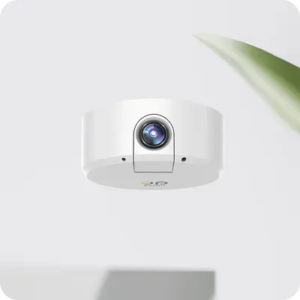
The most fundamental area to capture foot traffic begins at the main threshold where customers transition from the street or mall into the shopping environment. We usually recommend positioning a people counting camera directly above the primary doors to establish a reliable baseline conversion metric.
When placed centrally overhead, advanced computer vision lenses can capture a clear stereoscopic view of individuals crossing the boundary. This overhead perspective helps mitigate issues caused by shadows or overlapping shoppers entering side by side during busy periods.
We generally advise maintaining a clear line of sight free from hanging banners or seasonal decorations that might sway into the frame. Ensuring the ceiling height matches the focal specifications of the hardware prevents the capturing of distorted fields of view.
Establishing a reliable baseline count at this perimeter allows management to understand total store draw before analyzing behavioral patterns deeper inside the physical location.
High Density Merchandising and Product Zones
Moving beyond the entrance, we look closely at the primary aisles and core product display areas where shoppers spend the majority of their browsing time. Strategically positioning sensors above these high interest zones reveals which product categories attract the most engagement.
By tracking the flow of movement through these specific sections, store operators can evaluate the effectiveness of their floor plans and visual merchandising strategies. We notice that cross referencing this localized traffic with actual sales data helps identify areas where visitors browse but hesitate to purchase.
Environmental lighting often varies across different aisles, so the chosen edge artificial intelligence devices need robust dynamic range capabilities to process visual feeds accurately under changing illumination.
Gathering continuous movement data from these internal sections supports ongoing adjustments to shelf arrangements and helps maintain an engaging atmosphere that encourages extended store visits and improves overall engagement.
Checkout Counters and Customer Service Desks
Another critical zone is the transaction and service space where customer journeys typically conclude. Monitoring the space around point of sale terminals provides invaluable insights into queuing behavior and potential friction points during peak operating hours.
Implementing sophisticated retail analytics software alongside the hardware allows managers to process this visual data and determine optimal staff scheduling routines. When cameras oversee the checkout lanes, the resulting analysis can highlight periods when wait times become excessive, prompting immediate operational adjustments.
We find that integrating these insights into daily workflows helps reduce cart abandonment caused by long lines. Analyzing service desk traffic also indicates the volume of returns or inquiries, offering a broader picture of overall customer satisfaction.
Properly aligned equipment in these transaction zones helps operators maintain smooth functional flows during their busiest shopping intervals and peak seasons.
Seasonal Promotional Aisles and Temporary Displays
Retail environments remain highly dynamic, and we consistently see operators rotating localized promotions to capture seasonal interest. Placing monitoring technology near these rotating displays helps marketing teams measure the direct impact of specific campaigns and temporary endcaps.
Capturing movement around a newly installed promotional stand provides rapid feedback on whether the current visual layout effectively draws attention away from main thoroughfares. We believe that flexibility in data collection is paramount when evaluating short term marketing investments.
Because these areas change frequently, the visual processing systems need to adapt quickly without requiring extensive manual recalibration. Localized data processing capabilities help ensure that the captured metrics remain stable even when store layouts shift overnight.
Tracking these temporary zones allows brands to iterate their promotional strategies rapidly based on empirical observation rather than mere assumption or guesswork.
Intelligent Upgrades with Advanced Integration Frameworks
When evaluating the broader landscape of store digitalization, we emphasize the importance of integrated solutions that minimize disruption. A major trend we follow involves utilizing systems that connect with existing closed circuit television infrastructure to enable traffic counting and shelf management without large scale hardware replacements.
By adopting solutions from OVOPARK, chain retail and catering businesses can leverage an architecture that combines edge computing with cloud platform management. This approach allows video feeds to be processed locally for swift response times while centralizing the resulting statistics for executive review.
Having a strong foundation in machine learning supports rapid proof of concept deployments tailored to unique store environments. We recognize that utilizing such flexible deployment models empowers brands to improve operational efficiency and achieve standardized management across multiple locations globally with relative ease.