
How AI Video Analytics Can Improve Retail Store Security
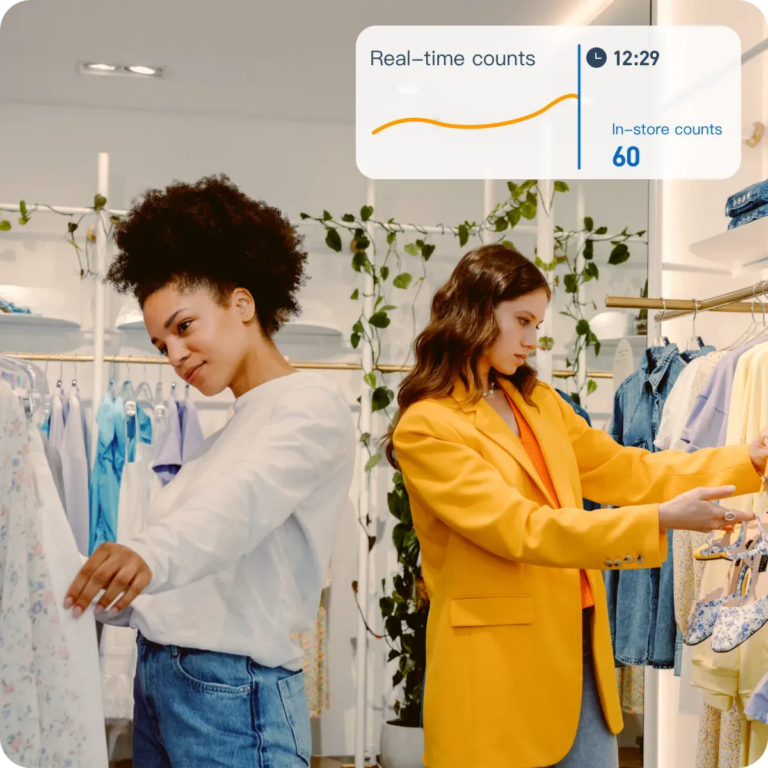
Retail store security is no longer only about recording incidents after they happen. Cameras can now help teams identify unusual events, review store activity, and respond to risks in a more timely way. With video analytics, retailers can connect security monitoring with daily store operations.
This approach can be useful for supermarkets, restaurants, shopping spaces, and large retail chains that manage many locations. In this article, we explain how AI video analysis can support store security and what retailers should consider when introducing it.

Moving From Recording to Real-Time Analysis
Traditional surveillance systems mainly capture and store video. Store teams usually need to review the footage when a problem has already occurred. This can take time, especially when a retailer manages several stores at once. Video analytics changes this process by allowing cameras or connected systems to analyze selected events while the store is operating.
An ai powered security camera can process visual information and identify events based on configured algorithms. Instead of asking employees to watch screens continuously, the system can send alerts when a defined event is detected. This gives staff a clearer starting point for checking what happened.
For retail businesses, this can support daily security work without replacing existing monitoring processes. The goal is not simply to add more cameras. It is to make the available video data easier to use and connect it with practical store management tasks.
Detecting Events When They Happen
Timely alerts are useful when store employees need to react quickly. A camera with local computing capability can analyze video and identify configured events without relying only on manual observation. When an event is detected, an alert can help the responsible team check the situation.
Some AI cameras are designed with local computing capabilities to support event detection and alerts. This can be useful in stores where employees need information about unusual situations without constantly watching live video.
Image quality is also an important factor in video analysis. Different lighting conditions and store environments may affect how effectively cameras capture useful information for later review.
Supporting More Practical Store Monitoring
Security monitoring can involve more than theft prevention. Retailers may also need to understand activities around entrances, checkout areas, storage spaces, and other operational zones. Video analytics can help organize information from these areas and make specific events easier to review.
A practical retail security camera setup should match the store layout and the type of risk being monitored. Camera placement matters because blocked views, poor angles, or unsuitable locations can reduce the value of video analysis. Retail teams should first identify important areas before deciding how many cameras are required.
Some AI camera solutions are designed with flexible installation options and communication functions. These features can support different monitoring scenarios when interaction between staff and monitored areas is required.
Connecting Security With Existing Systems
Replacing an entire surveillance network can create additional costs and operational work. Many retailers already have CCTV equipment across their stores. A practical AI upgrade can therefore focus on using existing infrastructure where possible instead of starting from zero.
At OVOPARK, we support connecting existing CCTV equipment to AI-NVR solutions. This allows retailers to add AI analysis to suitable existing camera networks and reduce the need for extensive hardware changes. Before deployment, the actual camera environment and application requirements still need to be assessed.
This approach can be helpful for large chains with different store layouts. A retailer can test the solution in a smaller number of locations first. Our POC process can be launched within one week, while model optimization can be completed within two to three weeks based on the project requirements.
Using AI Across Different Security Needs
One useful feature of AI video analytics is that different algorithms can be applied to different operational needs. A store may require one type of detection near an entrance and another around a specific working area. The system should therefore have enough flexibility to support different scenarios.
AI cameras can be integrated with different analysis algorithms according to deployment requirements. This allows businesses to apply suitable video analysis functions based on their security needs and store environments.
For larger retail groups, this flexibility can simplify planning. Instead of treating every camera as an isolated device, teams can consider the store as a complete monitoring environment. Security requirements, operational needs, and existing equipment can then be reviewed together.
Building a Suitable Deployment Plan
AI video analytics works best when the technology matches the actual store environment. Before deployment, retailers should review camera locations, lighting conditions, network infrastructure, existing CCTV equipment, and the events they want to monitor. Clear requirements also make model testing more meaningful.
For a chain retailer, the deployment plan should consider differences between stores. A camera position that works in one location may not suit another. Local testing can help identify these differences before a wider rollout. This is also useful when stores operate in different countries or have different layouts.
Retail security projects often require both technical deployment and continuous adjustment. Factors such as store layout, camera position, lighting conditions, and local operating requirements may influence the final implementation process.
A More Connected Approach to Store Security
AI video analytics can make retail security more active and easier to manage. It can help detect defined events, provide timely alerts, organize video information, and connect security with wider store operations. At the same time, retailers should select functions according to real risks rather than adding technology without a clear purpose.
For retailers, the key consideration is how video analytics fits existing security processes and daily operations. With suitable technology planning, video data can become a useful source of operational information while supporting more structured store security management. As retail environments continue to change, AI-based analysis may become an important part of future store management strategies.