
Understanding How AI NVR Technology Differs From Traditional NVRs
As retail stores become more connected, video systems are being used for more than security. Businesses now want useful information from their existing cameras. This is where an AI NVR can change how video data is handled. Unlike a traditional NVR, it can work with video data and support analysis tasks such as people counting. Understanding the difference can help retailers, restaurants, and chain businesses choose a system that fits their daily operations.

What Does a Traditional NVR Do?
A traditional NVR is mainly designed to receive, store, and manage video from network cameras. It provides a central place for recorded footage, which makes it easier for staff to review events when needed. Its main role is video management rather than detailed analysis.
For a retail store, this means cameras can record customer activity, but the recorded footage usually needs to be reviewed manually to find useful information. Staff may need to check different time periods and locations before they can understand what happened in the store.
This approach can work for basic surveillance needs. However, businesses that manage several stores may need more operational data. Manually reviewing video becomes less practical when managers want to compare customer traffic, dwell time, or store activity across different locations.
How Does an AI NVR Work Differently?
An AI NVR combines video recording with intelligent video analysis. Instead of treating camera footage only as stored video, it can process visual information and turn it into structured data for business use. This creates a connection between video management and store operations.
For example, a retail business can use video data to understand how many people enter a store and how long they stay. The system can also support other analysis tasks based on the cameras and models being used. This gives managers information that is easier to review than hours of recorded footage.
The difference is therefore not simply about storage capacity. A traditional NVR focuses on keeping video available for later review. An AI-enabled system adds analysis capabilities that can help businesses understand activity inside their locations.
Why Accurate People Counting Matters
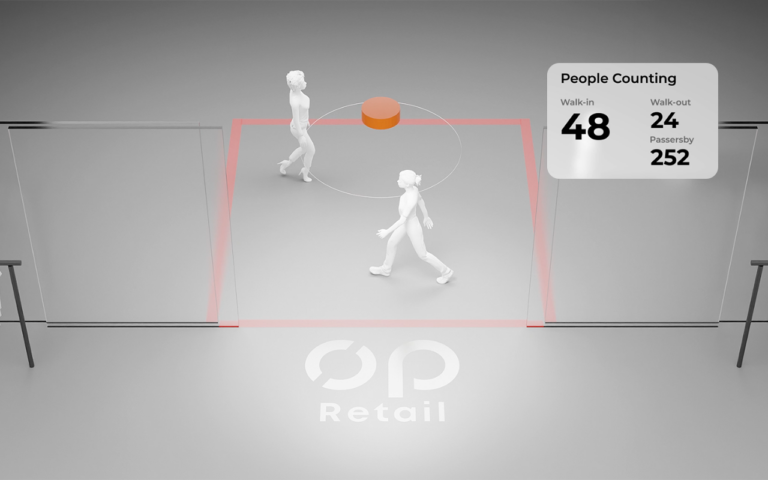
People counting is a practical example of how intelligent video analysis can support retail operations. Simple counting may create duplicated records when the same person is detected more than once. This can affect the quality of traffic reports and make store comparisons less useful.
At OVOPARK, our people counting solution is designed to address this issue by eliminating duplicated counts. Accurate traffic data can help retailers understand customer flow during different periods. Managers can use this information when reviewing store performance, staffing needs, and customer movement.
The value of counting also depends on how the data is presented. A number by itself provides limited context. Retail teams may need to compare traffic with dwell time and other store information before making operational decisions.
What Can AI-Based Reporting Show?
Traditional video records mainly answer questions about what happened in a specific recording. AI-based reporting can organize selected information into a format that is easier to review. This is useful when managers need to study store activity over a longer period.
Our solution provides comprehensive reporting through advanced analytics. Reports can include foot traffic, dwell time, and operational metrics. These details give store teams a clearer view of customer activity without requiring them to watch large amounts of footage manually.
For a chain retailer, reporting can also make store-to-store comparison more practical. Managers can review data from different locations and identify changes in traffic or customer behavior. The purpose is not to replace operational judgment, but to provide useful information for that judgment.
Can Existing CCTV Be Used?
Replacing a complete CCTV system can be expensive and disruptive. Many retailers already have cameras installed in their stores, so adding intelligent analysis without rebuilding the whole system can be a practical option.
We support connecting existing CCTV systems to AI-NVR solutions. This approach can reduce the need for major hardware changes. It allows businesses to explore AI-based analysis while making use of infrastructure that is already in place.
For projects that require model adjustment, our POC can be launched within one week, while model optimization can be completed within two to three weeks. These timeframes apply to the project process described by our team and can help businesses evaluate the solution before wider deployment.
Choosing the Right System for a Business
Selecting between traditional and AI-enabled video systems depends on the tasks a business wants to achieve. Factors such as store numbers, existing cameras, data requirements, and analysis goals can affect the final decision.
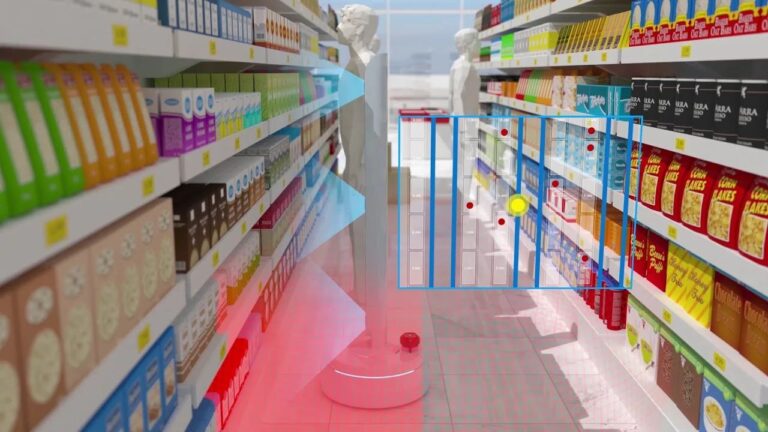
OVOPARK provides AI retail management solutions that combine video data with functions such as people counting, AI store inspection, shelf analysis, loss prevention, employee behavior detection, and Smart OA. These solutions are designed for retailers that need more operational insights from existing store environments.
For multi-location businesses, system compatibility and deployment flexibility are also important. The right solution should match daily workflows and provide useful information for store management.
From Video Recording to Store Insight
The main difference between a traditional NVR and an intelligent system is how video data is used. Traditional systems focus on recording and playback, while AI-enabled systems can add analysis to the video workflow. This difference matters when businesses want to understand customer traffic and store activity.
An ip camera with nvr is sufficient for basic video recording and playback, while AI-based solutions are more suitable when analysis is part of the business requirement. The right choice depends on the store environment, existing equipment, and operational goals. By starting with these practical factors, retailers can select a video system that supports both current needs and future data use.