
Optimizing Physical Store Layouts Through Spatial Behavioral Metrics
Retail operators often seek ways to enhance physical store performance through more effective data collection.While tracking total store visits provides a basic understanding of overall foot traffic,we find that understanding how shoppers spend their minutes inside the physical space yields much deeper operational insights.
Many managers review total visit durations but struggle differentiating between moments of active engagement and passive waiting. Distinguishing between positive browsing duration and negative waiting periods becomes essential for optimizing store layouts and improving customer satisfaction.
Two distinct metrics help clarify this spatial engagement, specifically dwell time and queue time. Recognizing the nuances between these two behavioral indicators allows retail executives to refine their merchandising strategies and streamline their checkout processes without relying on guesswork.
Evaluating these distinct phases of the customer journey forms a solid foundation for any intelligent store upgrade.
Defining Dwell Time Within Shopping Zones
When evaluating spatial engagement, dwell time is regarded as a primarily positive indicator of consumer interest and merchandise appeal. This metric measures the duration a shopper spends actively exploring specific aisles, examining product displays, or interacting with promotional materials.
Extended dwell periods generally suggest that the visual merchandising is successfully capturing attention and encouraging discovery. We often advise managers to track these engagement durations across different sections of the sales floor to determine which product placements resonate most strongly with their target audience.
Gathering this localized information requires sophisticated customer behavior analytics to process movement patterns accurately. By utilizing advanced visual data, store operators can evaluate whether their seasonal displays actually keep people engaged or if visitors simply walk past without stopping.
Understanding browsing durations helps marketing teams refine their in-store campaigns and encourages physical retailers to create more immersive shopping environments that naturally extend active product discovery.
Understanding Queue Time And Transaction Friction
Conversely, queue time is considered an indicator of friction points within the physical retail experience. This metric tracks the minutes a customer spends waiting in line at the checkout counter, fitting rooms, or customer service desks.
Unlike browsing duration, prolonged waiting periods almost universally detract from the overall shopping experience and can lead directly to cart abandonment. We regularly notice that stores with high traffic volume often struggle to manage these transaction bottlenecks during peak operating hours.
Monitoring the buildup of lines allows management to understand exactly when their service capacity falls behind actual consumer demand. Identifying these friction zones is crucial because excessive waiting can easily negate the positive feelings generated by an otherwise pleasant store environment.
By isolating waiting metrics from general visit durations, management teams gain the precise operational visibility needed to adjust their staffing models and reduce unnecessary delays during critical transactional moments.
Utilizing Technology To Measure Spatial Engagement
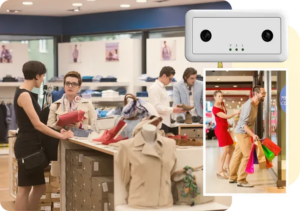
Accurately differentiating between a customer admiring a display and a customer stuck in line requires highly capable tracking hardware. We generally recommend deploying an intelligent people counting camera equipped with advanced computer vision and deep learning models.
Modern stereoscopic lenses process complex visual fields to determine exactly where individuals are congregating and whether they are moving or remaining stationary. When placed strategically above checkout zones and primary merchandising aisles, these devices capture nuanced movement data without requiring constant manual observation
Relying on basic infrared beams fails to provide the spatial context necessary to calculate localized durations. Upgrading to visual processing hardware allows chain operators to define specific monitoring zones across their floor plans, tracking the precise moment a shopper transitions from active browsing into a stagnant waiting pattern.
Utilizing this level of technological precision helps ensure that the collected behavioral data remains reliable for ongoing operational analysis.
Analyzing The Business Impact Of Waiting Periods
The true value of tracking these distinct metrics emerges when operators use the data to dynamically balance their floor resources. We consistently emphasize that understanding the ratio between active product engagement and idle waiting helps retailers streamline their daily workflows.
If the data reveals that shoppers spend significant time browsing high margin items but then face extensive delays at the register, managers can confidently reallocate floor staff to open additional checkout lanes.
We see that analyzing this data historically helps forecasting teams anticipate bottlenecks before they occur, allowing them to schedule adequate personnel for seasonal rushes or weekend peaks. Minimizing transaction delays directly improves customer retention and encourages repeat visits
Transforming raw spatial movement into actionable operational insights empowers service and catering industries to maintain fluid environmental dynamics, ensuring that shoppers spend the majority of their visit discovering products rather than waiting for assistance.
Upgrading Store Operations With Intelligent Integration
Transitioning toward intelligent store management requires scalable solutions that process complex spatial data efficiently without massive disruptions. partnering with an experienced original design manufacturer like OVOPARK provides the necessary infrastructure to achieve this clarity.
By offering sophisticated artificial intelligence network video recorders, we enable businesses to layer advanced behavioral tracking over existing closed circuit television systems. This approach significantly reduces the need for large scale hardware replacements while still delivering the precise localized analytics required to separate browsing periods from checkout delays.
Utilizing an edge computing and cloud platform architecture ensures that heavy visual processing occurs smoothly on site, while executives access synchronized reporting centrally.
Leveraging these flexible deployment models empowers global brands to customize their algorithms rapidly, standardize their operational management, and build highly responsive retail environments geared toward sustained long term growth.