Can Staff Activity Make a Retail Heatmap Look Busier Than It Is?
Retail stores are workplaces as well as places where customers browse and buy. Employees replenish shelves, arrange displays, answer questions, and support checkout. These necessary tasks can complicate traffic analysis when staff movements are included in shopper-visit measurements. A busy aisle may reflect customer interest, employee activity, or both. Managers need to understand each metric before making decisions about staffing, product placement, or store layout.

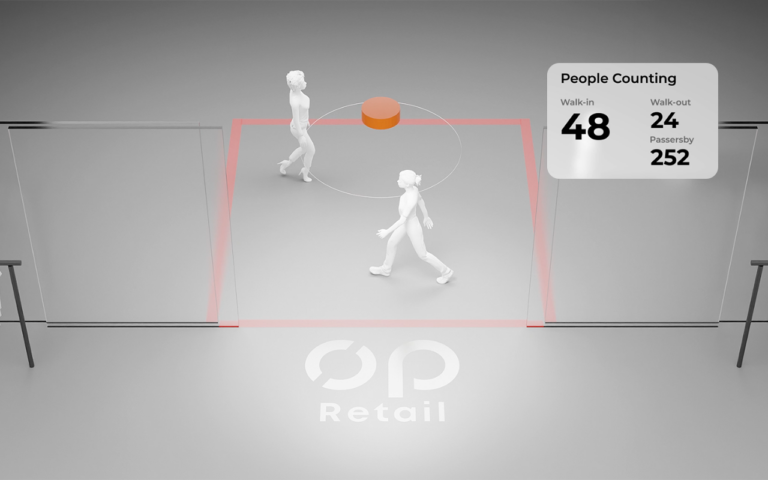
At OVOPARK, we provide people-counting and retail analytics solutions that help businesses examine visitor traffic and customer engagement. Our people-counting solution includes a Staff Exclusion function, which allows employee counts to be excluded from recorded traffic statistics. This helps retailers assess customer visits without treating routine staff movements as additional shoppers.
Why Employee Activity Can Distort Store Traffic Data
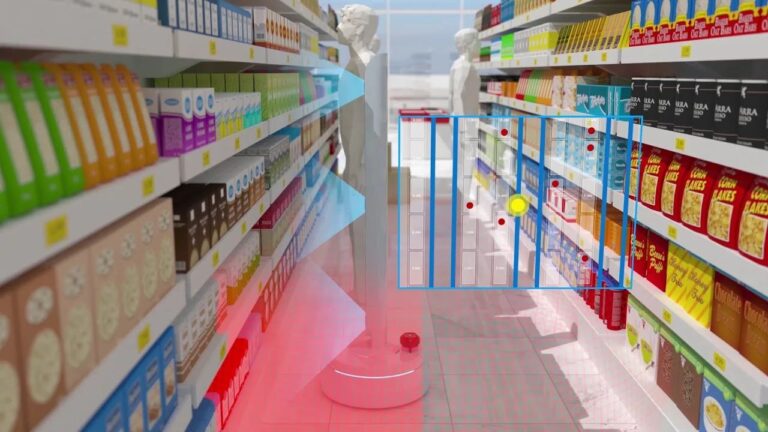
Employees often follow repeated routes during a shift. One team member may visit the stockroom and return to an aisle several times, while another spends time replenishing a display or assisting customers. If a people-counting system does not distinguish staff from shoppers, these movements may contribute to traffic totals. An aisle can consequently appear to receive more visits than it does from customers alone.
The effect may be difficult to identify in a weekly report. A manager may see elevated traffic around a promotional display and conclude that it is attracting attention. However, if employees replenish it throughout the day, some activity may come from those tasks. The report describes activity in the area, but may not represent customer demand accurately.
This matters when teams compare departments, evaluate campaigns, or plan labor. Traffic figures are considered alongside sales, staffing hours, and inventory movement. If staff visits are counted as shopper visits, managers may overestimate product exposure or misread differences between stores. Reviewing how employee activity is handled helps teams interpret the figures carefully.
Using Staff Exclusion Alongside Retail Store Heatmap Analysis
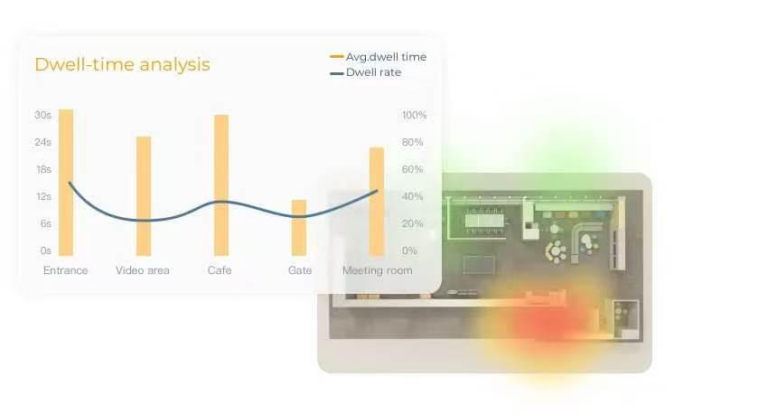
People counting and heatmap analysis answer related but different questions. People counting measures visitor traffic, while a heatmap shows how long customers spend at selected points of interest, such as shelves, displays, or areas within a store. OVOPARK’s retail store heatmap visualizes customer dwell time and area engagement, giving retailers another way to assess how shoppers interact with the sales floor.
Our Staff Exclusion function applies to people-counting data: it helps remove employee counts from recorded traffic. It should not be interpreted as a guarantee that every employee movement is automatically removed from every heatmap visualization. Retailers should review the configuration and scope of each analytical feature before interpreting a report. This distinction prevents teams from treating traffic counts and dwell-time visualizations as interchangeable measures.
Used together, these data types provide a more useful picture of store activity. Staff-adjusted footfall helps managers understand recorded customer visits, while dwell-time analysis shows whether shoppers spend time near particular products or displays. For instance, a zone may attract many visitors but generate limited dwell time. Another area may receive fewer visits, yet shoppers who enter it may spend longer examining products. These patterns suggest different questions for store teams to investigate.
Retailers can then review signage, product visibility, fixtures, or aisle accessibility. Data does not explain customer behavior by itself or replace operational checks; it helps managers identify where further observation or a layout adjustment may be useful.
Applying Staff-Adjusted Traffic Data to Store Operations
More representative visitor counts can support decisions at store and head-office level. At an individual location, managers can compare customer traffic by time period with staffing schedules. If customer visits rise during particular hours, the store may need to review whether enough employees are available for service and checkout. If traffic remains low, managers can consider whether staffing arrangements match the store’s operating pattern.
At headquarters, consistent counting practices make branch comparisons more meaningful. Stores may differ in floor area, opening hours, staffing levels, and replenishment routines. A report that includes employee visits in one location but excludes them in another can create misleading comparisons. Applying Staff Exclusion consistently and documenting how each store’s data is collected gives regional teams a clearer basis for reviewing performance.
OVOPARK’s published SKECHERS case offers a practical example. It describes the use of PC8 people counters in SKECHERS stores and states that employee counts can be excluded from passenger-flow measurements. It also describes access to customer age and gender distribution, helping the retailer review customer profiles across different markets. This example shows how employee exclusion can form part of a broader people-counting approach; individual stores may still have different settings and reporting requirements.
Reviewing traffic, dwell time, and store performance together helps managers ask more precise questions. Does a high-traffic period coincide with longer engagement? Do employee schedules match periods of stronger demand? Does a display attract attention after its position changes? These questions connect measurement with decisions without assuming one metric explains every result.
Making Retail Analytics More Useful Across Locations
Reliable retail analysis depends on understanding what each measurement includes. Employee activity is a normal part of store operations, but it should not automatically be treated as customer demand. Staff exclusion can make people-counting reports more representative of shopper visits, while heatmap and dwell-time analysis add context about how customers use different areas.
At OVOPARK, we combine people-counting solutions with customer behavior analytics to help retailers review traffic trends, customer engagement, and store-level performance. By interpreting these measures according to their purpose and configuration, retail teams can make better-informed decisions about staffing, merchandising, and physical space across their store networks.